|
Innovative vegetable grafting technology offers resilient yields for climate-stressed cultivation, ICRISAT study shows - Research finds grafted tomatoes in polyhouses deliver up to 63.79% higher yields—paving the way for broader adoption across solanaceous crops
May 1, 2025
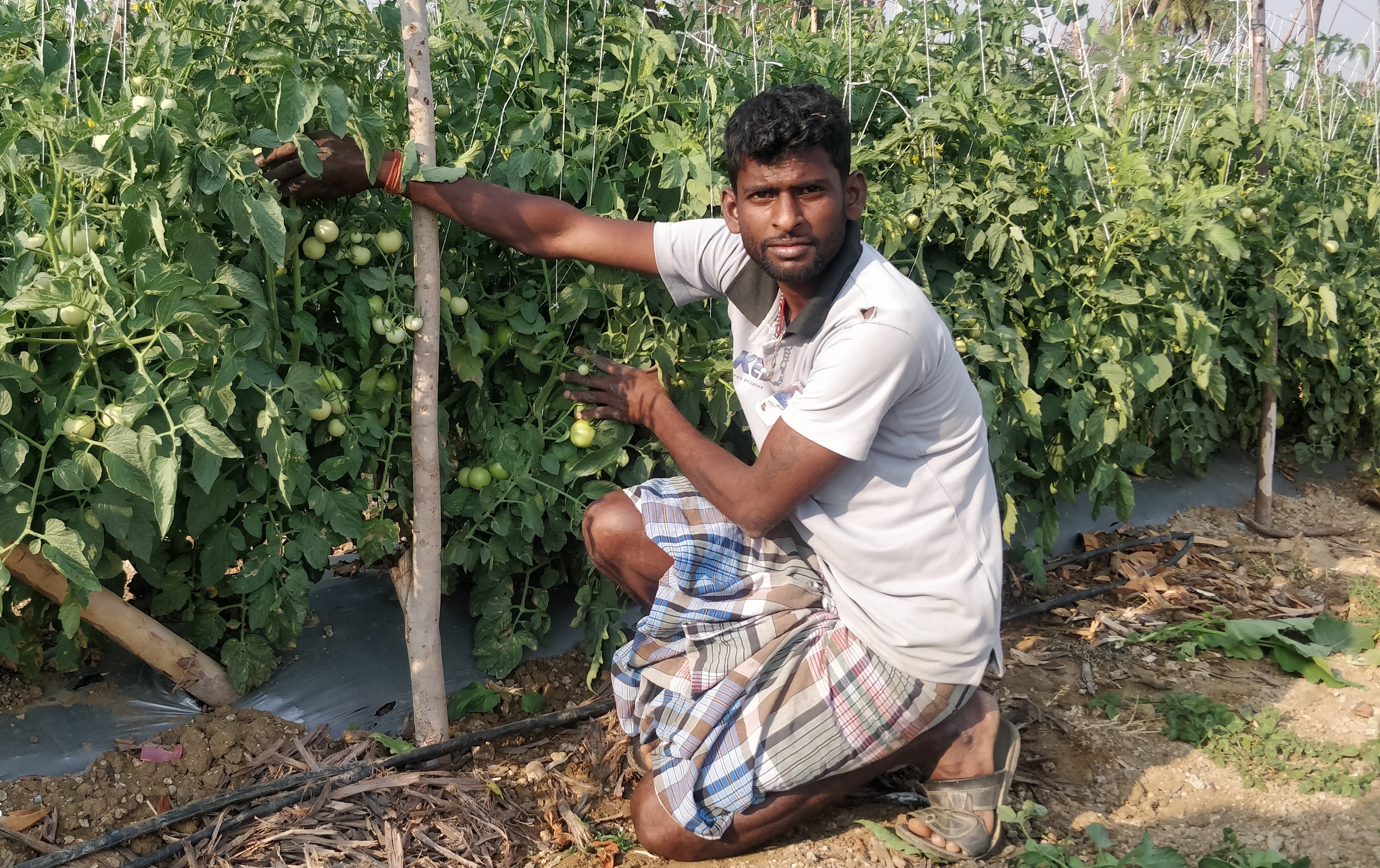
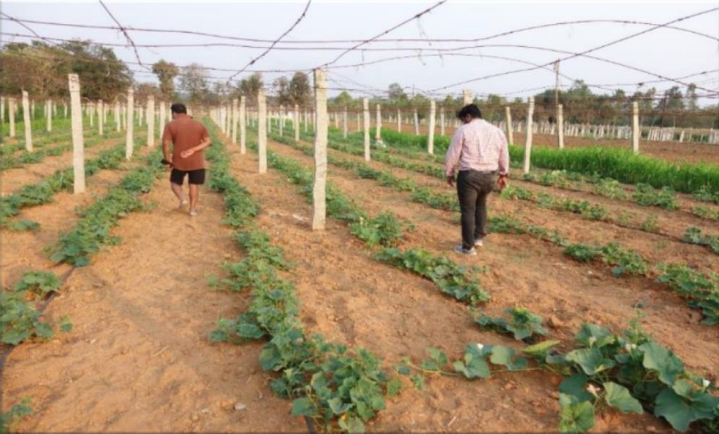
Recently published in Frontiers in Agronomy, the research shows how grafting—joining a high-yielding vegetable variety (the scion) with a hardy, stress-tolerant rootstock—helps plants thrive even under tough environmental conditions where traditional open-field farming often struggles. In the study, tomato plants grafted onto Solanum torvum rootstocks and grown in polyhouses yielded up to 63.79% more than non-grafted plants in open fields. The enhanced performance was linked to improved plant vigor, extended harvesting periods (3–5 more pickings), and stronger resistance to environmental stresses. This outcome reinforces the potential of grafting to unlock higher productivity across multiple solanaceous vegetables facing similar challenges.
Economic Analysis Grafted vegetables cultivated under NVPH conditions delivered the highest gross and net returns, as well as superior benefit-cost ratios. These findings point to the technique’s potential to increase farmers’ economic resilience in addition to agricultural productivity. Beyond yield gains, the study revealed additional agronomic benefits: larger leaf areas, higher chlorophyll content, and more robust fruit development—factors that contribute to better plant growth and photosynthetic efficiency.
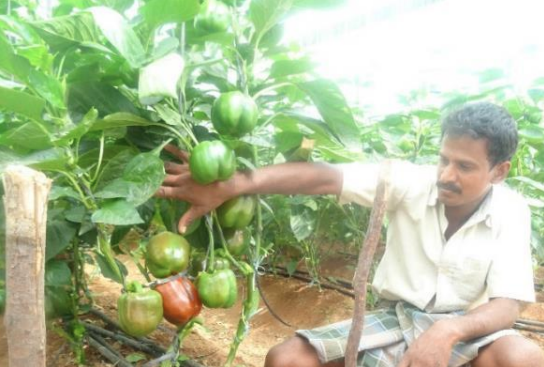
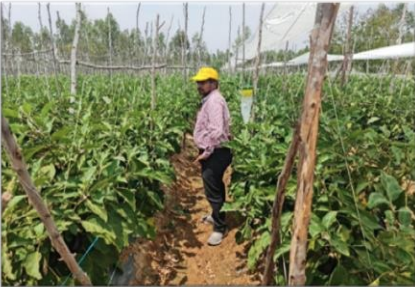
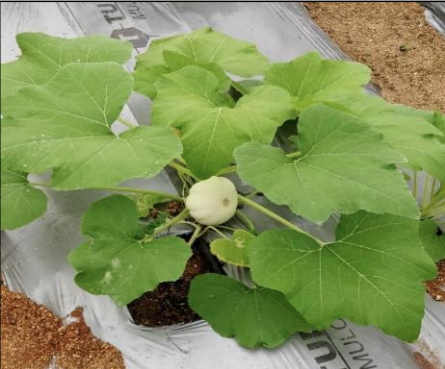
Dr Rohan Khopade, the lead scientist behind this innovative research at ICRISAT, explained that while the initial focus was on tomatoes, the grafting technique developed is highly versatile. It can be applied to a broad range of vegetable crops—including eggplant, chili, cucumber, gourds, and melons—unlocking the potential to boost productivity across diverse agricultural systems.
As climate change intensifies and food systems face increasing pressure, vegetable grafting has the potential to be a scalable, science-backed solution for improving agricultural outcomes without the need for genetic modification. Its widespread adoption, however, hinges on enabling access through policy support, public-private collaboration, and effective farmer training and outreach.
More solutions from: ICRISAT (International Crops Research Institute for Semi-Arid Tropics) Website: http://www.icrisat.org Published: May 5, 2025 |
|
|||||
|
|