|
Student discovery could advance flood-resilient crops
United Kingdom
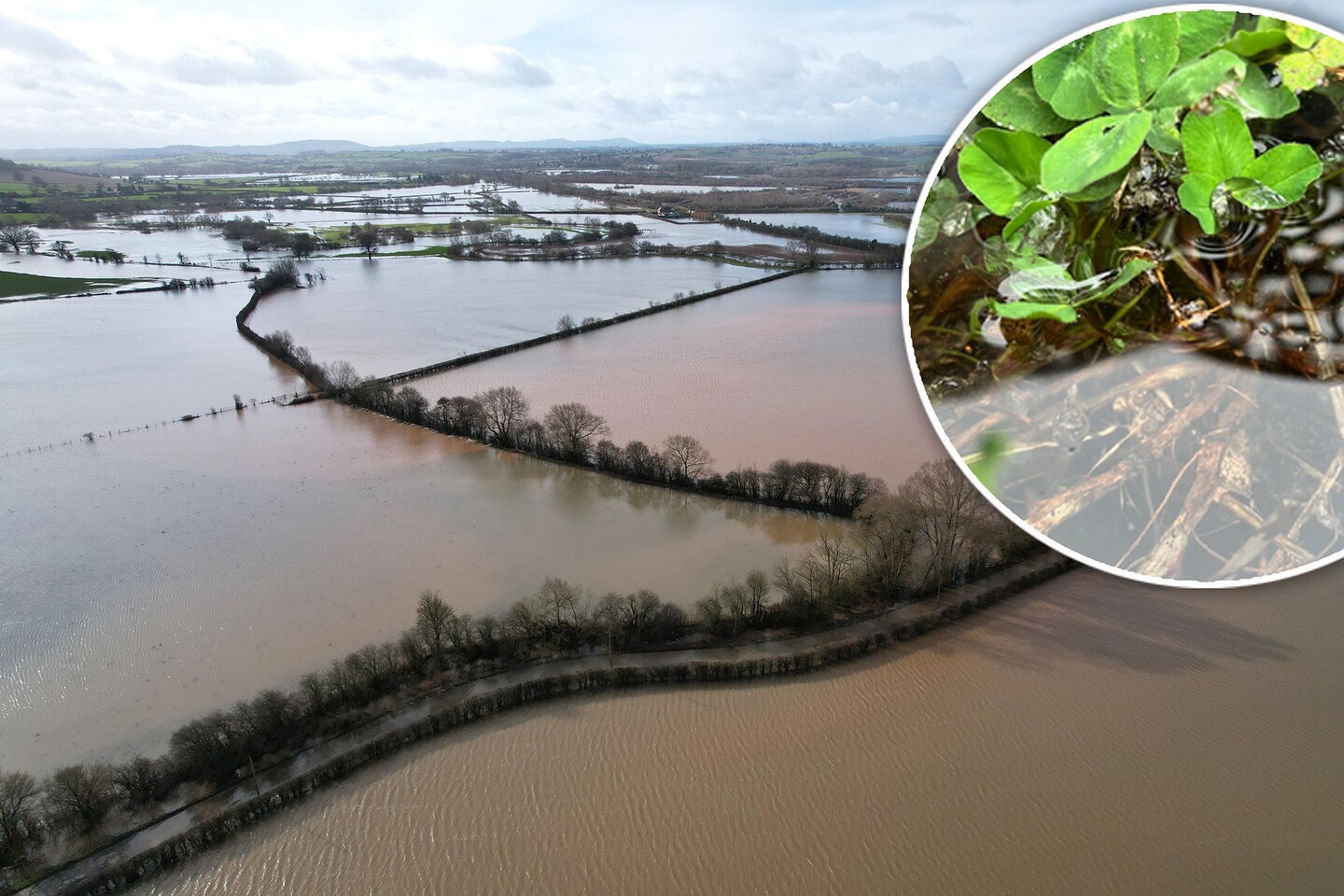
An Aberystwyth University student has uncovered how different plant varieties respond to flooding, offering insights that could help crops cope with extreme weather. The study, published in the Journal of Agronomy and Crop Science, focused on Lotus japonicus, a legume in the family that includes peas and beans. It is widely used as a model organism in research on sustainable agriculture. The research found that plant varieties from various locations in Japan adopt distinct strategies to survive flooding. Some can survive short periods underwater by slowing their growth to save energy, while others continue to grow to reach above the water surface. The study showed that flowering responses differed between varieties from distinct geographical regions. The finding that most surprised the researchers was that some flowered within a few days after flooding ended, while others were delayed by up to three weeks. This variety of flooding responses indicates vast genetic diversity and makes Lotus japonicus an ideal candidate to study flooding in legumes. The project was carried out with scientists at the Institute of Biological, Environmental and Rural Sciences at Aberystwyth University. Professor John Doonan, Director of the National Plant Phenomics Centre, said: “By understanding how individual plant varieties cope with flooding, we can identify traits that could guide future breeding programmes to develop crops capable of surviving extreme weather. These insights provide a new window into developing more resilient crops, helping to safeguard food security in a changing climate. This is particularly important for legumes, which play a central role in sustainable and resilient farming systems worldwide.” Eamon Durkan, project lead and undergraduate student in the Department of Life Sciences at Aberystwyth University, said: “Developing this research project with Professor Doonan and Dr. Corke was the opportunity of a lifetime. With their support, I was able to address one of the key issues of our time: climate change. Moreover, I was thrilled that the results from my dissertation and publication could be used to develop climate-resistant legumes.” Gordon Allison, Lecturer at the Department of Life Sciences at Aberystwyth University, added: “The final-year undergraduate dissertation project is the capstone of the Bachelor’s degree. We take pride in offering students practical laboratory and field projects so that they can develop expertise in research design and execution, data analysis, critical thinking and professional skills to carry them forward into future careers. “Eamon's project on submergence stress in Lotus japonicus is an excellent example of work made possible through collaboration with IBERS. Achieving a peer-review publication from an undergraduate dissertation is a massive achievement, both to Eamon and his mentors. It surely heralds the start of a successful career in the biological sciences.”
More solutions from: University of Aberystwyth - Prifysgol Aberystwyth Website: http://www.aber.ac.uk Published: April 16, 2026 |
|
|||||
|
|