United Kingdom
Janury 30, 2026
LVC varieties are becoming increasingly important on the PGRO Descriptive List (DL) of spring beans, with NPZ UK’s Ketu the highest yielding of three NPZ LVC varieties on the latest List.
LVC stands for Low Vicine/Convicine, which are bean varieties with reduced levels of certain anti-nutritional compounds that restrict use for human and animal consumption.
For humans, Vicine and Convicine act as anti-nutrients, potentially causing favism, an acute form of anemia in people with a particular genetic deficiency.
For monogastric animals such as poultry and pigs, these compounds can cause negative effects on health and performance.
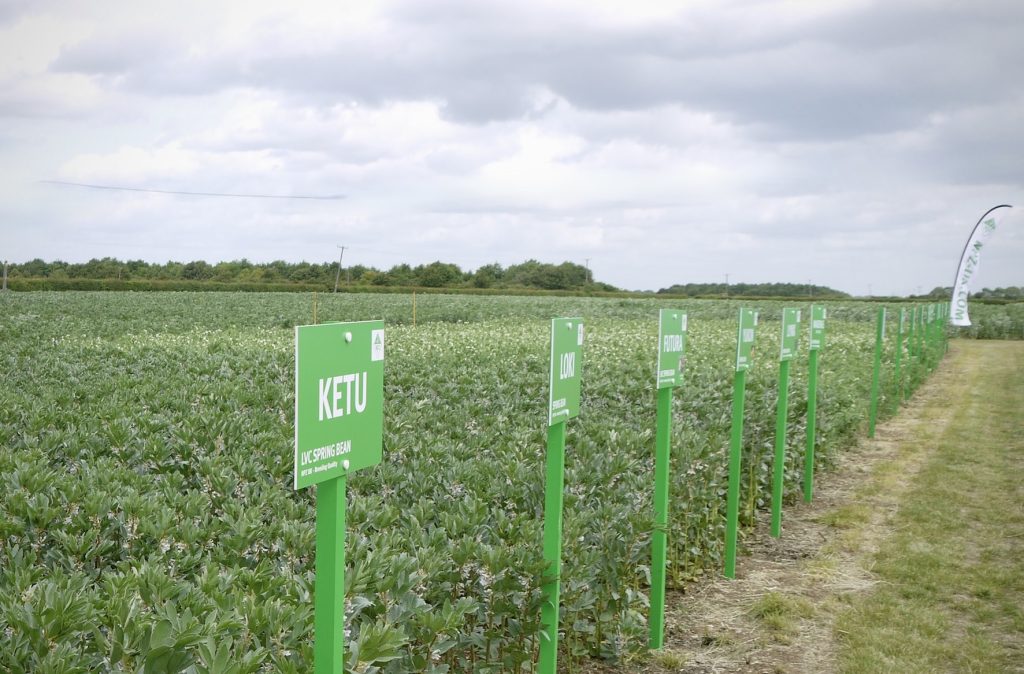
While processing methods such as boiling can reduce the content of these compounds, this is often too expensive or impractical for large-scale animal feed preparation, so the use of faba beans in animal feed has been limited.
A more productive approach has been from plant breeders like NPZ UK who have developed LVC faba bean varieties to reduce these anti-nutritional factors.
Tiffany from NPZ UK was the first LVC variety to go through the trials system and be commercially available in the UK. It had success in specialist contracts with supermarkets and their processor suppliers.
There were yield and agronomy drawbacks as is often the case with new breeding initiatives, however these have been progressively overcome as breeders have developed improved varieties.
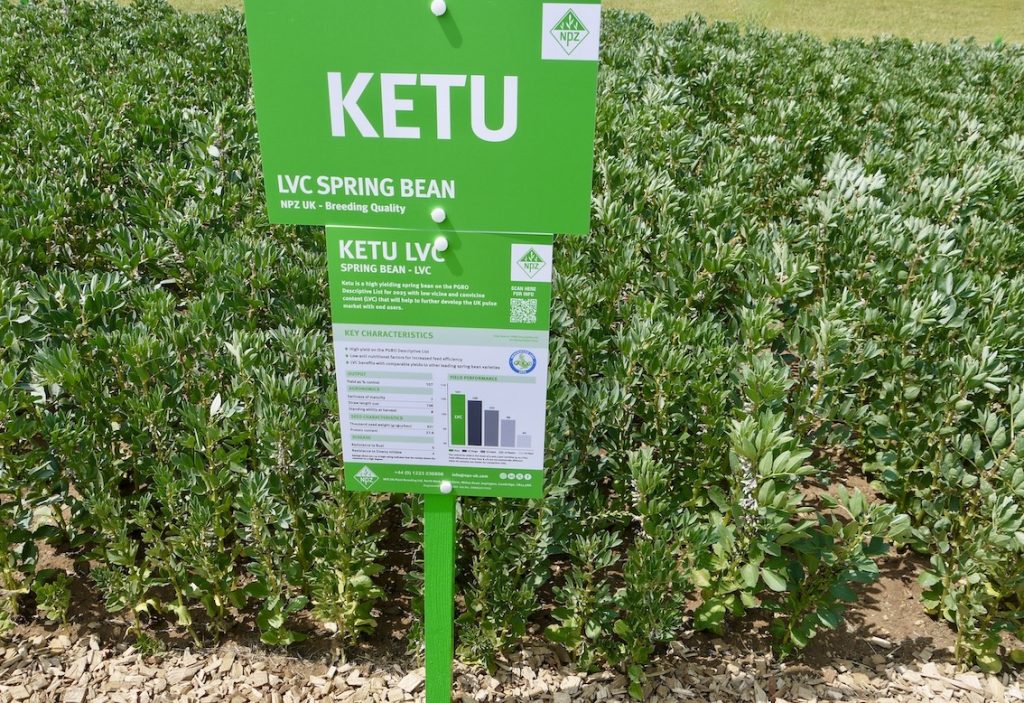
Now Ketu LVC gives growers comparable yields to other leading spring bean varieties with low anti-nutritional factors for increased feed efficiency and marketability.
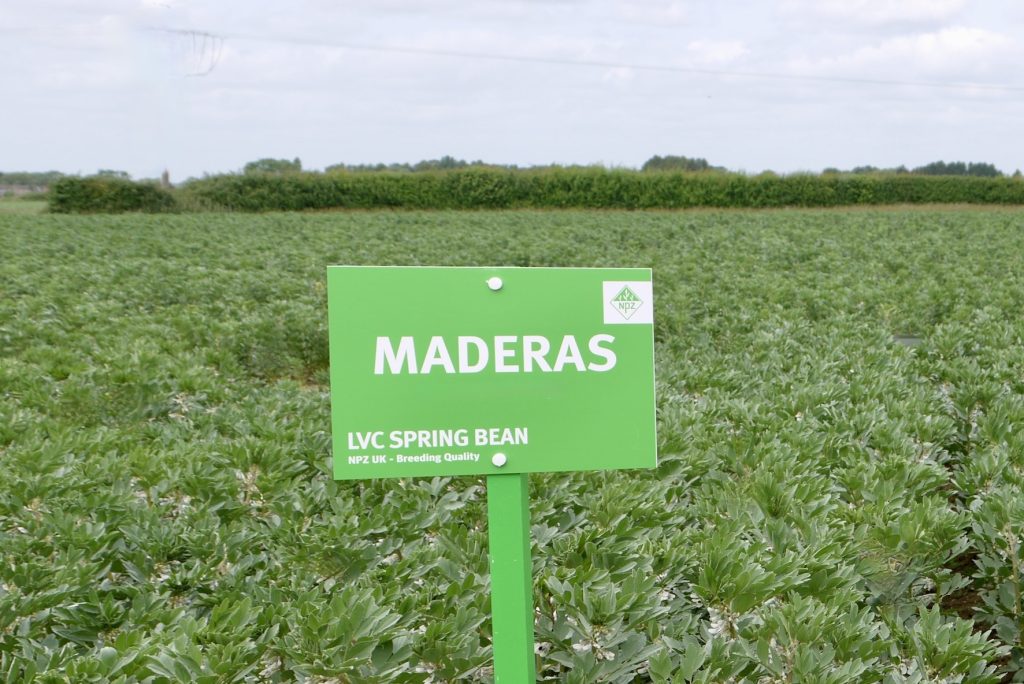
A further step forward is from newcomer Maderas LVC which brings improved downy mildew resistance plus good standing power and joins Futura LVC as the third NPZ UK on the DL.
Future developments in LVC faba beans are primarily focused on breeding new varieties that combine the LVC trait with high yields and robust resistance to key bean diseases such as downy mildew and rust.
The availability of high-performing LVC varieties is expected to significantly expand the market for faba beans both for animal feed and human consumption and offer a potential domestic lower-carbon protein source to reduce reliance on imported soya.
LVC beans are viewed as the future direction for the UK pulse market due to their versatility and health benefits for both humans and livestock, with ongoing development and increased adoption by growers and end users.




 Topics
 Species